I remember the first time someone asked me, “Are tattoos a sin according to the Bible?”
We were sitting in a small coffee shop. My friend had just gotten a tiny cross tattoo on her wrist. She loved it. To her, it was a reminder of faith.
But later that day, someone told her, “The Bible says tattoos are forbidden.”
You could see the worry on her face.
Was she doing something wrong?
Did God disapprove of something that meant so much to her?
If you’re here searching for Bible verses about tattoos, you might feel the same curiosity—or maybe even a little fear. Many people want a clear answer: Does the Bible really forbid tattoos?
The truth is more thoughtful and deeper than a simple yes or no.
Let’s walk through what the Bible actually says, what those verses meant in their original context, and how many Christians understand them today.
My goal here is simple: to give you clarity, calm the confusion, and help you see the bigger picture.
What Do Bible Verses About Tattoos Represent?
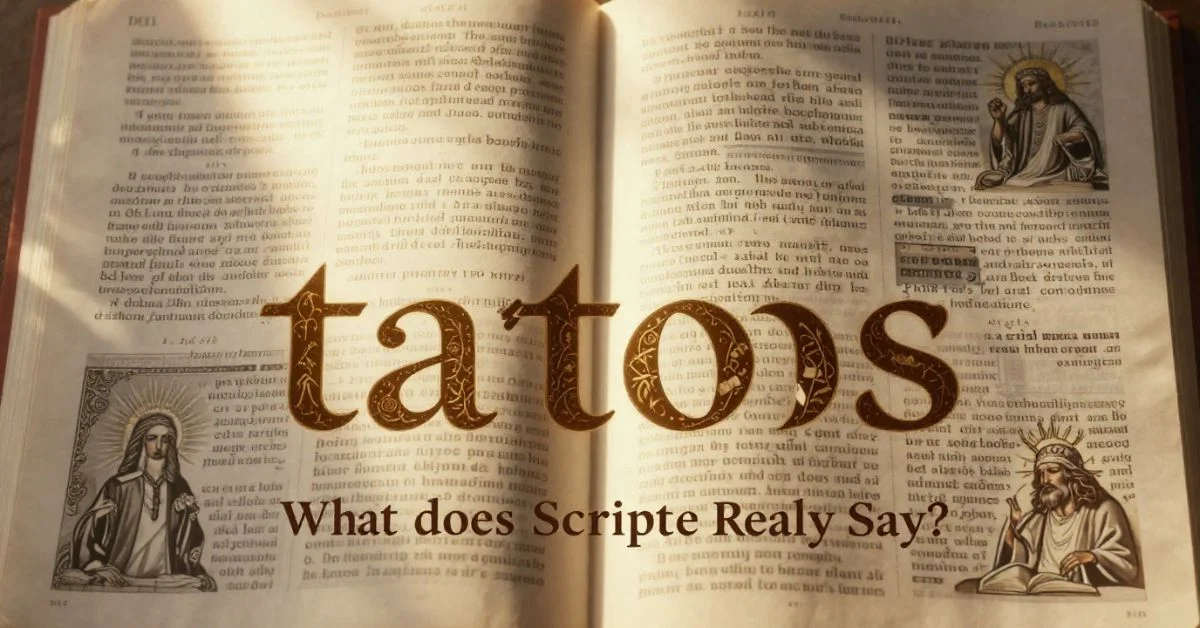
When people search for Bible verses about tattoos, they are usually referring to one specific verse.
That verse is found in Leviticus 19:28:
“Do not cut your bodies for the dead or put tattoo marks on yourselves. I am the Lord.”
At first glance, it sounds very direct. Many readers immediately think the Bible clearly bans tattoos.
But the Bible was written thousands of years ago in a very different culture. To understand this verse, we need to understand why it was written.
In ancient times, many surrounding nations practiced pagan rituals. Some groups would cut their bodies or mark their skin during religious ceremonies connected to idol worship or mourning rituals.
The command in Leviticus was part of a larger set of laws meant to help the people of Israel stay separate from those practices.
So the verse wasn’t primarily about modern body art the way we think of tattoos today.
It was about avoiding pagan religious rituals.
That context matters.
Core Meaning Explained Clearly
When you read the Bible carefully, you notice something important.
The Old Testament contains many laws given specifically to the nation of Israel. These laws covered daily life, clothing, food, farming, and worship practices.
For example, nearby verses in the same chapter also say:
- Do not cut the hair at the sides of your head
- Do not wear clothes made of two fabrics
- Do not eat certain foods
Most Christians today understand these laws as part of the Old Covenant given to Israel at that time.
When Christianity developed through the teachings of Jesus and the early church, the focus shifted from external rules to heart attitudes and faith.
Because of that, many Christian scholars believe the tattoo verse was context-specific, not a universal rule for all believers in all times.
The deeper message of the Bible isn’t really about tattoos.
It’s about how we honor God with our lives.
Spiritual Meaning
Spiritually, the discussion about tattoos often connects to another Bible verse that many people quote:
1 Corinthians 6:19–20
“Your body is a temple of the Holy Spirit… therefore honor God with your body.”
This verse doesn’t mention tattoos directly.
Instead, it teaches a bigger spiritual idea: your body matters.
For believers, the question becomes less about rules and more about intent.
Some people choose tattoos that reflect faith—like crosses, Bible verses, or meaningful reminders of spiritual growth.
Others prefer not to get tattoos because they want to keep their bodies unchanged.
Both choices can come from a sincere desire to honor God.
The Bible often emphasizes the heart behind our actions more than the action itself.
Emotional Meaning
The topic of Bible verses about tattoos can bring up strong emotions.
Some people feel judged for having tattoos.
Others feel worried that they might be doing something wrong.
And some simply want guidance.
It’s okay to feel uncertain. Questions about faith often come with emotion because they touch on identity, beliefs, and personal values.
What matters most is approaching the topic with honesty.
Faith isn’t meant to be lived in fear.
It’s meant to bring peace, wisdom, and growth.
Psychological Meaning
Our minds naturally search for clear rules.
When we see a verse that looks strict—like the one in Leviticus—our brains immediately categorize it as “allowed” or “not allowed.”
But understanding ancient texts requires context.
Psychologically, people often experience cognitive tension when old traditions meet modern culture.
Tattoos today are very different from the rituals that existed in ancient times. They are commonly used as personal art, memories, or expressions of identity.
Because of that, many Christians go through a period of reflection, asking:
- What does this verse really mean?
- What would God want from me personally?
That reflection is actually a healthy part of faith.
Life Situation Meaning
For many people, tattoos mark meaningful life moments.
They may represent:
- A reminder of faith
- A tribute to family
- A symbol of survival through hardship
- A personal story
So when someone searches for Bible verses about tattoos, it’s often connected to an important decision.
Maybe you’re thinking about getting one.
Maybe you already have one and want reassurance.
Or maybe you’re simply trying to understand the Bible more deeply.
Whatever your situation is, it helps to remember that the Bible’s central message is about love, grace, and transformation.
Does Bible Verses About Tattoos Mean Something Bad Will Happen?
No.
Bible verses about tattoos do not mean something bad will happen if someone has a tattoo.
The verse in Leviticus addressed a specific ancient cultural practice connected to pagan rituals. It was not written as a warning that tattoos would bring punishment or negative events.
Many Christians today understand that tattoos themselves are morally neutral. What matters more is the intention behind them and the overall way a person lives their life.
The Bible consistently focuses on faith, love, and character—not body art.
Is This a Good or Bad Sign?
Tattoos themselves are not a spiritual sign in the Bible.
They are neither automatically good nor automatically bad.
What matters is motivation.
For example:
Positive motivations might include:
- Honoring faith
- Remembering a meaningful life moment
- Personal expression
Questionable motivations might include:
- Rebellion
- Harmful messages
- Pressure from others
The Bible encourages thoughtful choices rather than strict fear-based rules.
Repeated Questions About Tattoos and Faith
Many people return to this topic again and again.
Why?
Usually because tattoos sit at the intersection of faith, identity, and culture.
If someone grew up hearing tattoos were sinful, they may struggle with that belief even as culture changes.
Others revisit the topic when:
- considering their first tattoo
- joining a church community
- exploring their faith more deeply
Repeating the question is often part of personal growth and reflection, not confusion.
Common Situations & Their Meanings
1. Getting a Bible Verse Tattoo
Many Christians choose tattoos of scripture. For them, it serves as a permanent reminder of faith or a guiding message in life.
2. Having Tattoos Before Becoming Christian
Many believers come to faith later in life after already having tattoos. Most churches teach that past decisions do not define someone’s relationship with God.
3. Regretting a Tattoo
Sometimes people regret tattoos because of personal change. This experience is common and part of normal life reflection.
4. Family or Church Disapproval
Cultural views on tattoos vary widely. Some families or churches discourage them, while others see them as personal choices.
5. Tattoos as Memorials
Some tattoos honor loved ones who passed away. These are often deeply emotional and meaningful.
What Should You Do After Reading Bible Verses About Tattoos?
If you’re thinking about tattoos and faith, a few calm steps can help.
First, take time to reflect. Ask yourself why you want the tattoo and what it means to you.
Second, study the Bible in context rather than focusing on one verse alone.
Third, seek wise counsel. Talking with trusted spiritual leaders or mentors can bring clarity.
Finally, remember that faith is about relationship with God, not just rule-keeping.
Thoughtful decisions usually come from patience, not pressure.
Myths vs Truth About Tattoos in the Bible
Myth: The Bible clearly bans all tattoos.
Truth: Only one verse mentions tattoos, and it was addressing ancient pagan rituals.
Myth: Christians with tattoos are sinning.
Truth: Many Christian scholars believe tattoos themselves are not sinful.
Myth: Tattoos prevent someone from being close to God.
Truth: Faith is based on belief, character, and spiritual growth—not appearance.
Myth: Tattoos bring spiritual consequences.
Truth: The Bible does not say tattoos cause spiritual punishment.
Why This Topic Feels So Personal
Discussions about Bible verses about tattoos often feel emotional because they touch on identity.
Our bodies are deeply connected to how we see ourselves.
Faith is also deeply personal.
When the two intersect, people naturally want reassurance that they are making the right choices.
But the Bible repeatedly shows that God looks beyond the surface.
In 1 Samuel 16:7, it says:
“People look at the outward appearance, but the Lord looks at the heart.”
That perspective changes everything.
FAQs About Bible Verses About Tattoos
Does the Bible say tattoos are a sin?
The Bible does not directly call tattoos a sin. The verse in Leviticus addressed ancient pagan practices, not modern body art.
What Bible verse talks about tattoos?
The main verse people reference is Leviticus 19:28, which warns against tattoo marks connected to pagan mourning rituals.
Can Christians get tattoos today?
Many Christians believe tattoos are a personal decision. What matters most is the intention behind them and whether the choice honors one’s faith.
Is it wrong to get a Bible verse tattoo?
Some believers choose scripture tattoos as reminders of faith. Others prefer not to. The Bible does not specifically forbid this.
What if I had tattoos before becoming Christian?
Past choices do not define a person’s faith. Christianity emphasizes forgiveness, growth, and new beginnings.
Are tattoos mentioned anywhere else in the Bible?
The Bible rarely mentions tattoos. The topic appears only once directly in Leviticus.
Do tattoos affect your relationship with God?
Most Christian teachings emphasize that faith, love, and character matter far more than physical appearance.
Should Christians avoid tattoos completely?
Some believers choose to avoid them out of personal conviction. Others see them as acceptable. Both views exist within Christianity.
Conclusion
When people search for Bible verses about tattoos, they often expect a simple rule.
But the Bible rarely works that way.
The verse in Leviticus addressed a specific cultural practice thousands of years ago. It was about avoiding pagan rituals, not modern personal expression.
Today, many Christians see tattoos as a personal decision guided by faith, wisdom, and intention.
The deeper message of the Bible is not about body art.
It’s about living with love, integrity, and a sincere heart.
If you’re wrestling with this question, take your time. Reflect, pray, and seek understanding.
Faith grows through thoughtful decisions—not fear.
And at the end of the day, the Bible reminds us that what truly matters is not the mark on our skin, but the character in our hearts.